


In the latest Sempervirens






News & Updates
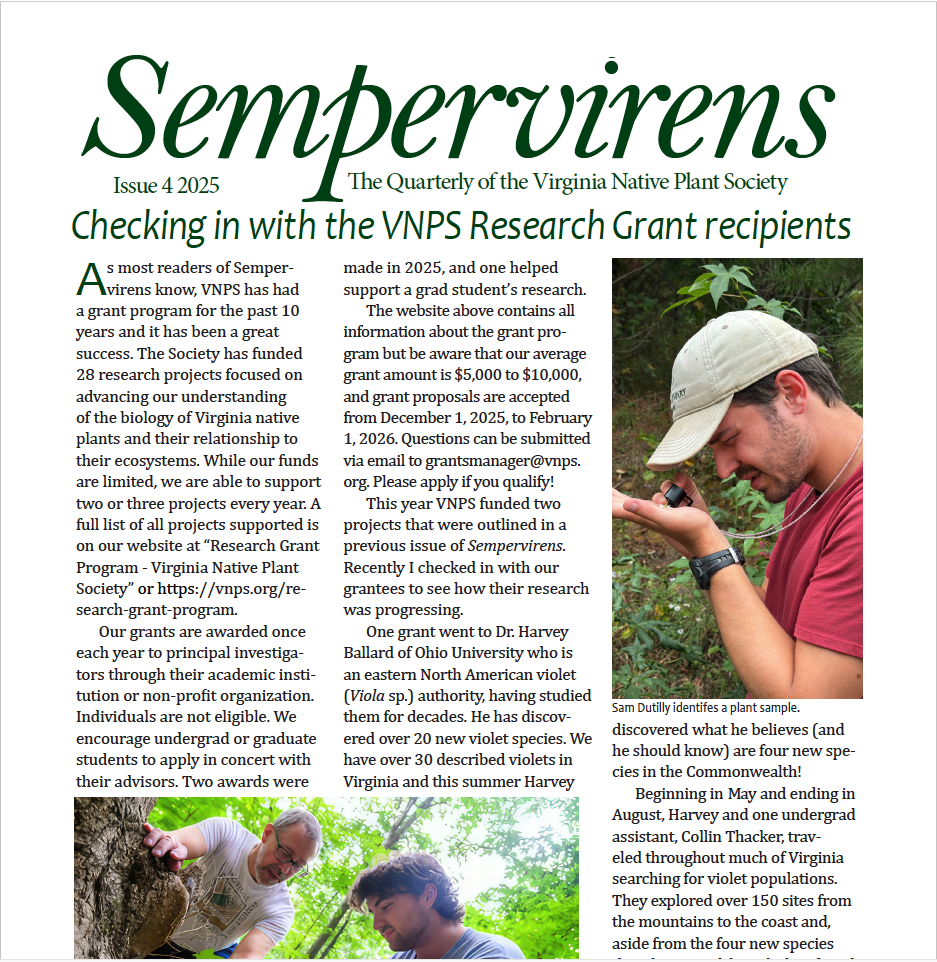
 The latest Sempervirens is here! 8 May 2026
Save the dates: the 2026 annual meeting will take place 2-4 October 2026, in Wakefield, Virginia. 3 April 2026
Winners of the fifth annual Wildflower of the Year T-shirt Design Contest have been announced. 27 March 2026
Video recordings of both sessions of the 2026 Annual Workshop are available in a Vimeo showcase. 27 March 2026
Thank you for supporting our 2025 fundraiser benefiting the Flora of Virginia. The campaign has ended. If you would like to support the Flora, please donate directly. 3 March 2026
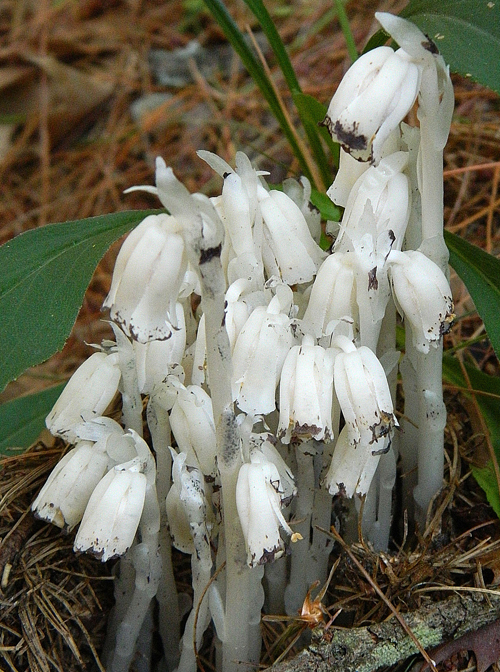
Introducing the 2026 Wildflower of the Year, Ghost Pipes (Monotropa uniflora). Read all about it. 25 January 2026
Now with its own menu pick: Botanizing with Marion. 20 June 2025
• A New Online Dictionary of Virginia Botanical Etymology. This dictionary, compiled and edited by Michael Charters, lists Latin, Greek, and other derivations of botanical and biographic names in Virginia. View the Online Dictionary here. 20 August 2024
Join
Become a Member:
Support Our Mission.
Donate
Support VNPS with
your donation today.
Upcoming Events
Find Field Trips, Meetings, Programs and Plant Sales.
Find a Chapter
Get involved in your
local VNPS chapter.

A Path Into Natives
My interest in native plants probably arose like it did for many of the VNPS readers. I fell in love with what I found out in the wild places; state parks and national forests and the scraps of nature on the edges of farms and developments. I was fascinated by the presence of those native…

There Really is a Pyxie-moss!
Pyxie-moss (Pyxidanthera barbulata) is a diminutive coastal plain endemic found only in the eastern portions of the Carolinas, southeastern Virginia, and the pine barrens of New Jersey and adjacent Long Island. It is adapted to frequent fire and minimizes heat damage by forming dense mats that hug the relatively cool ground. It prefers open, sandy…
When the “Good Guys” Go Bad: The Role of Native Fauna in the Spread of Invasive Plants
Humans play a leading role in the spread of invasive species. From accidental introductions, like Japanese stiltgrass (Microstegium vimineum), to intentional planting, like tree of heaven (Ailanthus altissima) and mimosa (Albizia julibrissin), we have done an exceptional job of transporting invaders all over the world. Our cars carry seeds and propagules along highways, our boats…
The Root of the Problem: Garlic Mustard
It’s a classic tale of being careful what you wish for. As a high school student in Germany I went hiking with my classmates in the early spring woods. As I unpacked lunch, friends gathered knoblauchskraut at the forest edge, and we then added the native herb to our sandwiches. “Ah,” I thought. “If only…

Return of the Natives
My daughter, Chrissy, and I had been watching the 200-acre woodlands for months. First the “Land For Sale” sign went up; later the sign was marked “Sold,” then, most ominously, fluorescent orange flagging-tape marked the trees. The lovely wooded site was about to become a shopping center. The year was 2005, and a year…

The Awkward Relationship Between Homo sapiens And Planet Earth
By Jack Carter, Colorado Native Plant Society I, as do so many of you, present lectures and workshops to a wide range of people in which we are encouraging them to become familiar with the local flora, to plant native plants that require less water, to plant and conserve those species that are important to…
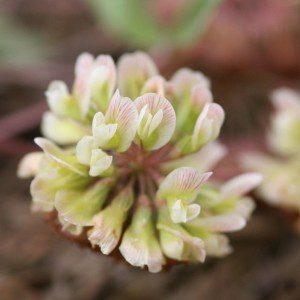
Kates Mountain Clover: Trifolium virginicum
Kates Mountain Clover, (Trifolium virginicum) is one of only three clovers that are native to Virginia. First discovered on Kate’s Mountain in West Virginia in 1892 by botanist, John Kukel Small, this plant is known to exist only in four states and in a very specific habitat. In all four states it is listed as…
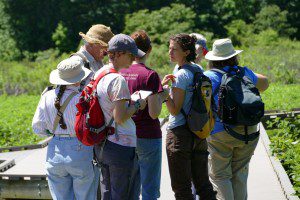
Looking Back: VNPS in 2017
Small but mighty, the VNPS rose up with spirit to meet the challenges of 2017. The members of our Society did not sit around eating bonbons and gnashing teeth over discouraging events last year. Well, maybe there was some gnashing of teeth . . . but in the end, dedicated people got out and got…
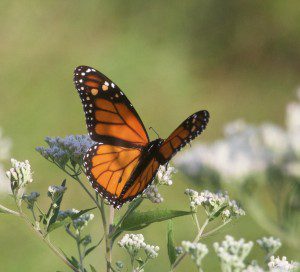
Finding Fulfillment as a Wildlife Way Station Volunteer
My excitement rose when I first glimpsed the Wildlife Way Station being maintained at the car rest area along I-95 in Dale City. A good-sized plot of land was being cultivated with native plants that were attracting and feeding many of the area’s wild birds and insects — pollinators. Those small flyers have been losing…
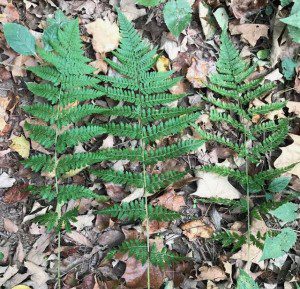
Botany Without Boundaries at the Tri-State Conference
The Tri-state Native Plant Society Conference at the National Conservation Training Center was a blast this year. From the venue, to the nightly speakers, to the field trips, everything was incredible, which is why I’d like to first extend my gratitude to all those who contributed and worked so hard to make it happen. This…
A Summer Intern Speaks Out
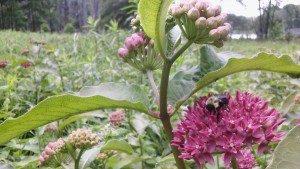
The listing of the Rusty Patched Bumblebee, (Bombus affinus), on the Endangered Species Act hit me as a surprise. It made me begin to think about bee habitat and how little the public knows about how to help this species. This bumblebee, along with many other pollinators, needs cover for protection throughout the year, but…
Eastern Red Cedar in the Landscape
Though many view Eastern Red Cedars, (Juniperus virginiana), as weeds in abandoned sites, we love the native Cedar for its sturdy evergreen structure in the landscape. In our native plant landscape designs, here at The Natural Garden we use Red Cedars as a dense native hedge or scattered in groups in savanna and meadow plantings. As…